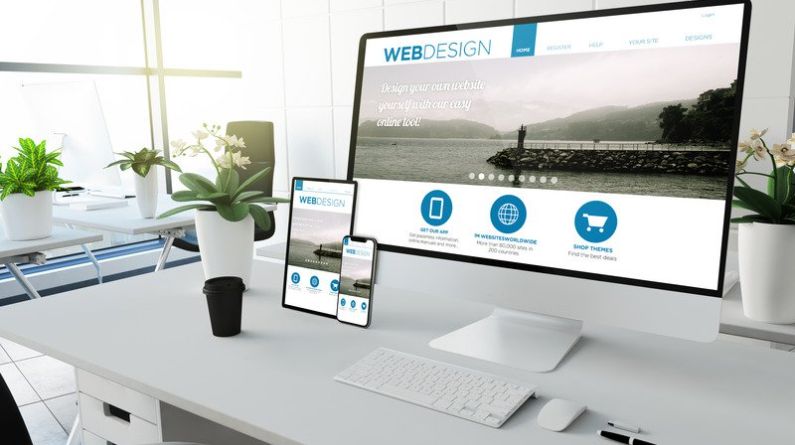

A portfolio website is a personal or professional site that showcases your skills, projects, and achievements in one place. Think of it as your digital first impression: instead of handing someone a stack of papers or sending scattered links, you give them one clean, well-organized space to understand what you do and why it matters.
In practice, this matters because people rarely have time to dig through disconnected files. A designer, developer, writer, photographer, or consultant can use a portfolio site to show results, not just claim expertise. For example, a freelance graphic designer can display before-and-after branding work, while a copywriter can show case studies with measurable results. That difference is powerful because it turns “I can do this” into “here’s proof.”
Why portfolio websites work so well
They help you build trust quickly. Hiring managers, clients, and collaborators can scan your work, understand your style, and decide whether you’re a fit. A common mistake is treating the site like a resume with images. A strong portfolio website does more than list projects, it explains the problem, your approach, and the outcome.
What visitors actually want to see
Most visitors look for three things: what you do, what you’ve done, and how to contact you. If they can’t find those quickly, they leave. Keep the homepage simple, use clear project summaries, and make your call to action easy to spot.
How to Build a Portfolio Website That Converts

A good site should feel polished, but it also needs to be practical. Start with a clear structure: homepage, about section, work samples, and contact information. That is usually enough to create a professional impression without overwhelming the visitor.
If you want a smoother workflow, tools like WordPress, Wix, Webflow, or Squarespace can help you launch faster, especially if you do not want to code from scratch. For more control, some professionals use custom-built sites, but the principle stays the same: clarity beats complexity.
What makes a strong portfolio site
Your content should be easy to skim and easy to trust. Use short project descriptions, high-quality visuals, and simple navigation. Also, make sure the site loads quickly and works well on mobile. In real situations, many people will find your site on their phone first, not a desktop. A practical approach is to choose 3 to 6 of your best projects instead of showing everything. Quality matters more than quantity. If you are early in your career, you can include personal projects, mock work, or volunteer work as long as you explain the goal and the result clearly.
Common mistakes to avoid
Don’t overload the page with animations, long paragraphs, or too many menu items. Don’t hide your contact details. And don’t forget that your portfolio should reflect the type of opportunities you want. If you want better clients, your site should look like it was built for better clients.
A well-built portfolio website is not just a showcase, it is a business tool. When done well, it helps people understand your value faster and gives them a reason to reach out.
FAQs About Portfolio Websites
What should I include in a portfolio website?
Include a short introduction, selected projects, a brief explanation of your process, and clear contact information. If relevant, add testimonials, case studies, or links to your social profiles.
How often should I update my portfolio website?
Update it whenever you finish stronger work or change direction in your career. As a rule of thumb, review it every few months so it always reflects your current skills and goals.