
Selling products or services through the internet can help small businesses reach more customers, generate revenue, and offer greater convenience. But should your small business sell online? The answer depends on your products, customers, resources, and business goals.
Selling online means allowing customers to purchase products, book services, or complete transactions digitally. While an online store can create new opportunities, not every business needs one to succeed. Understanding the benefits, challenges, and costs can help you make a decision that supports sustainable growth.
When Does Selling Online Make Sense for a Small Business?
Selling online works best when customers want a convenient way to purchase what you offer without visiting a physical location. For example, a local boutique selling clothing or handmade accessories might benefit from reaching customers beyond its neighborhood. A landscaping company, however, may get better results from a website designed to generate estimates and appointments.
Consider Your Customers’ Buying Habits
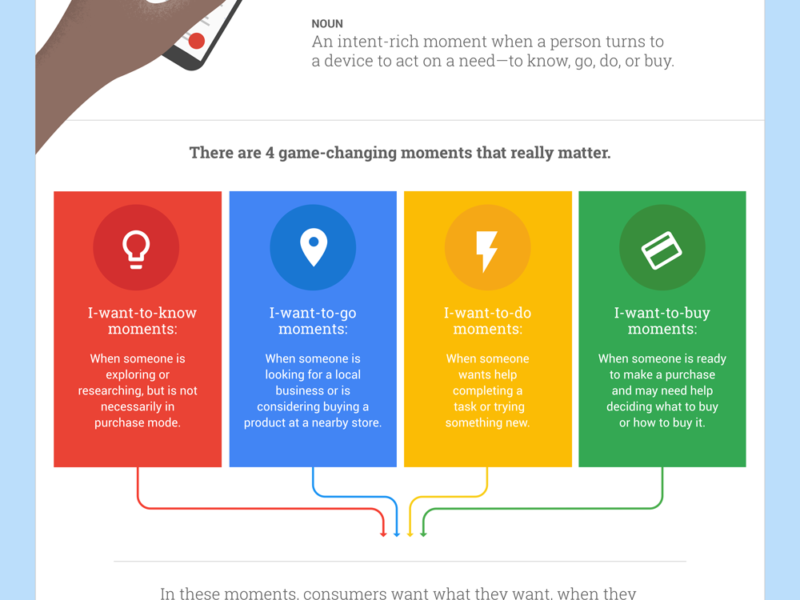
Before investing in ecommerce, ask yourself how customers typically make purchasing decisions. Do they prefer ordering immediately, or do they need a conversation before committing? Can your products be shipped easily? Does your service require an on-site evaluation?
In practice, businesses that understand their customers’ purchasing habits are better positioned to choose the right digital strategy.
Understand the Costs Beyond Your Website
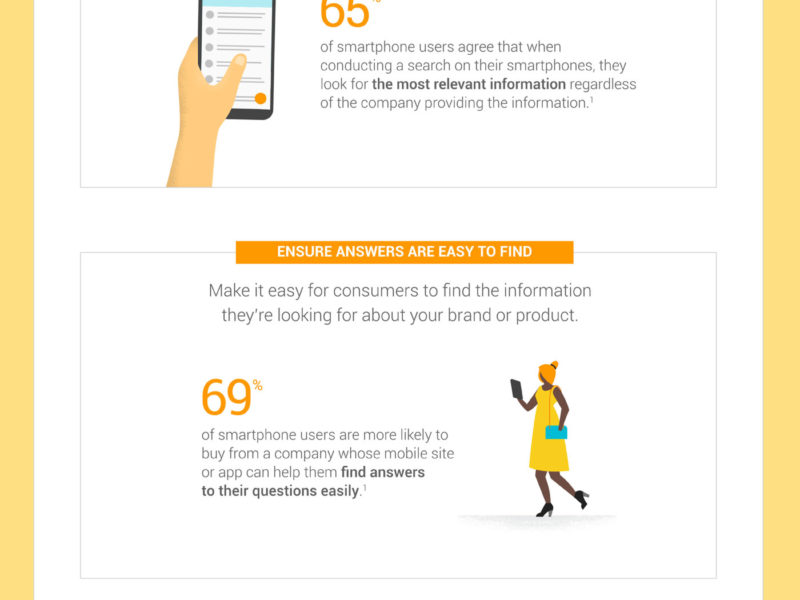
A common mistake is assuming that launching a website automatically generates sales. Successful digital selling also requires reliable payment processing, inventory management, customer support, and marketing. Shipping expenses, returns, and transaction fees can reduce profitability. The goal is not simply to attract visitors. It is to create a purchasing experience that makes financial sense for your business.
How to Decide Whether Your Business Is Ready

Before building a complete sales platform, evaluate your operations and test customer demand.
A practical starting point includes three questions:
- Demand: Are customers already asking to purchase or pay online?
- Profitability: Will your margins cover processing fees, fulfillment, and marketing?
- Operations: Can your team manage orders, payments, and customer questions consistently?
These answers provide a clearer picture of whether digital transactions will improve your business.
Start Small and Measure Results
You do not need a complicated system immediately. Consider offering a limited selection of products or introducing online payments for an existing service. Tools such as Google Analytics can help you understand visitor behavior, while a secure payment platform can simplify transactions.
Monitor completed purchases, customer inquiries, and operating costs. Use those findings to determine whether expanding makes sense. Remember, a website that consistently generates qualified leads can be just as valuable as one that processes purchases.
Frequently Asked Questions about: Is It Time for Your Small Business to Start Selling Online?
Does Every Small Business Need to Sell Online?
No. Businesses offering customized services, consultations, or complex projects may benefit more from generating inquiries and appointments. The best approach depends on how customers prefer to buy.
Is Selling Online Expensive for a Small Business?
Costs vary depending on the platform, payment processing, marketing, and fulfillment requirements. Starting with a simple solution and testing demand can help control expenses before making a larger investment.
Ultimately, the right decision is the one that makes purchasing easier for your customers while supporting your business’s profitability and long-term goals.
Final Thoughts
Selling online should be a strategic business decision, not simply a response to digital trends. A successful online presence is not measured exclusively by the number of transactions it generates, but by its ability to support business objectives, improve customer experiences, and create sustainable growth. Whether you choose to launch an online store or focus on generating qualified leads, your digital strategy should reflect how your customers make purchasing decisions.
At Nube Internet, we help small businesses develop digital marketing strategies that connect their online presence with measurable business goals. A well-planned website, relevant content, and effective lead generation can help your business compete more effectively in today’s digital marketplace. Ready to strengthen your digital presence? Contact Nube Internet to discuss a strategy tailored to your business goals.